The Cradle of Mankind.
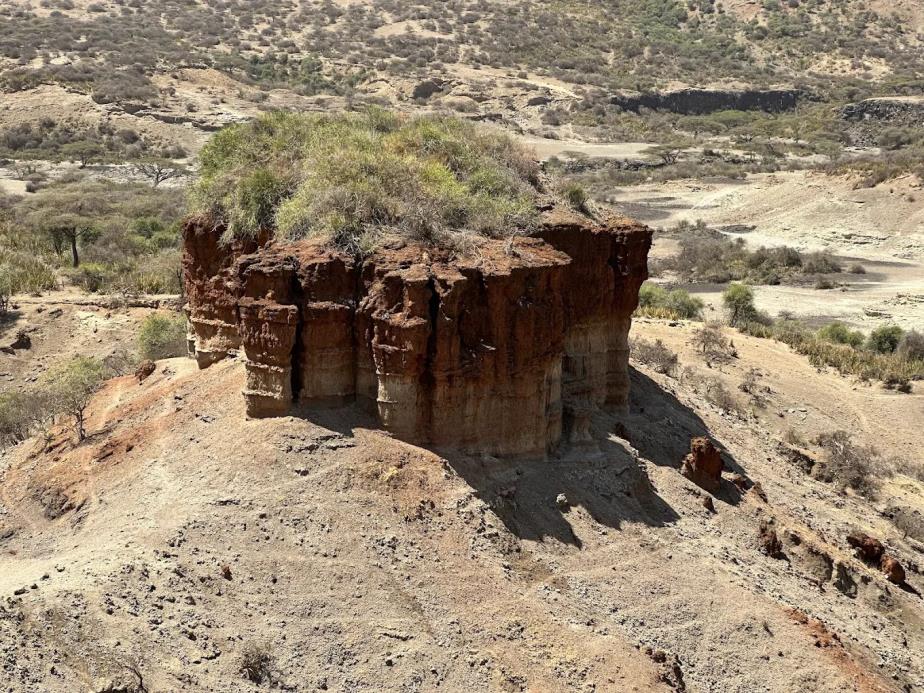
After breakfast, head to Olduvai Gorge, one of the most important paleoanthropological sites in the world. Made famous by Louis and Mary Leakey, who excavated here in the mid-20th century, the gorge is known for the early human fossils found in its layers, including "Nutcracker Man," a previously unknown species of early human. Its sediment reveals a timeline stretching back millions of years, and it's a UNESCO World Heritage Site.
The museum overlooks the gorge and tells the story of the site and its finds. For a small tip, you can drive down into the gorge itself to see where the Leakeys made their discoveries. Researchers often work here in the dry season, from June to October, so you may be able to visit an active dig and chat with the scientists.
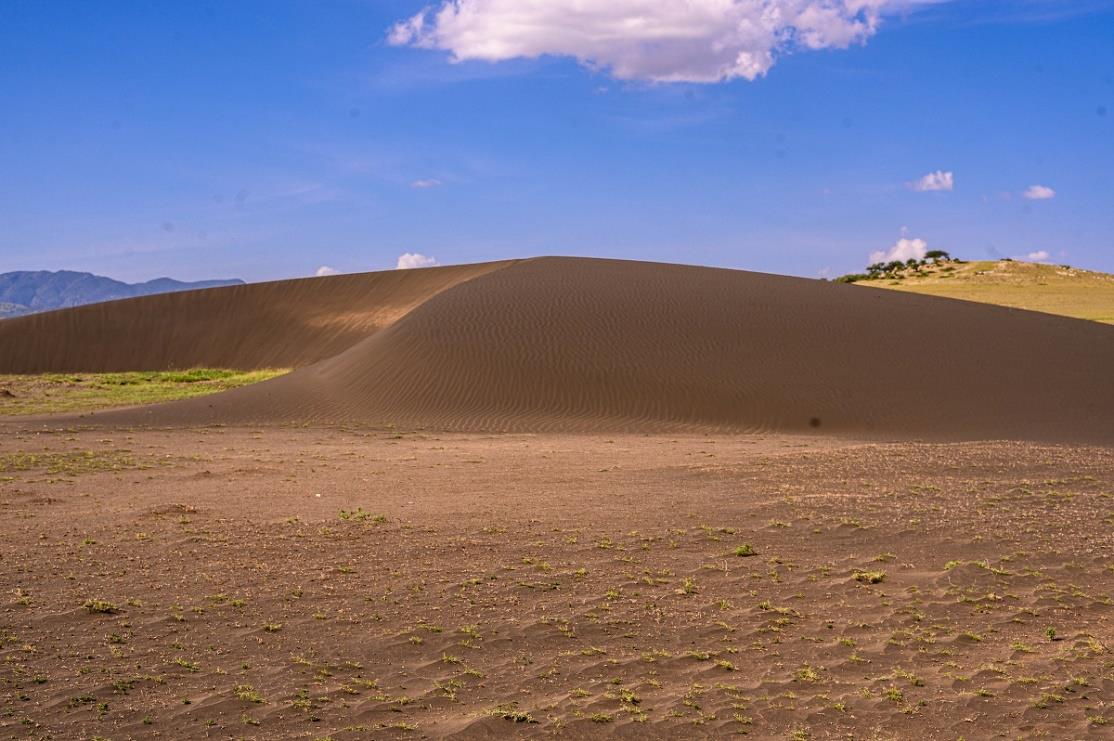
After a box lunch, drive a short way to a curious sight: the shifting sand dune. Made of fine, iron-rich volcanic ash, it's magnetic enough to cling together and move as one across the landscape, about 10 meters a year.
On the way to camp, time allowing, stop at a Maasai village to learn about their traditional way of life, watch the young warriors' famous jumping contest, and shop for handmade jewelry and crafts.
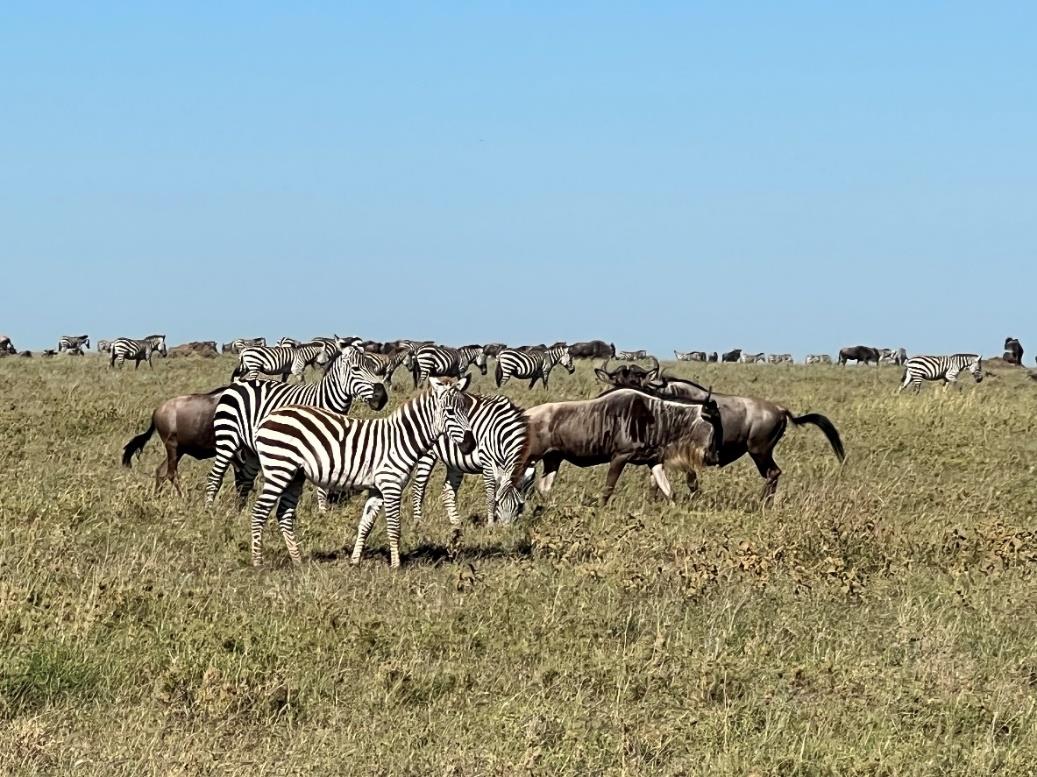
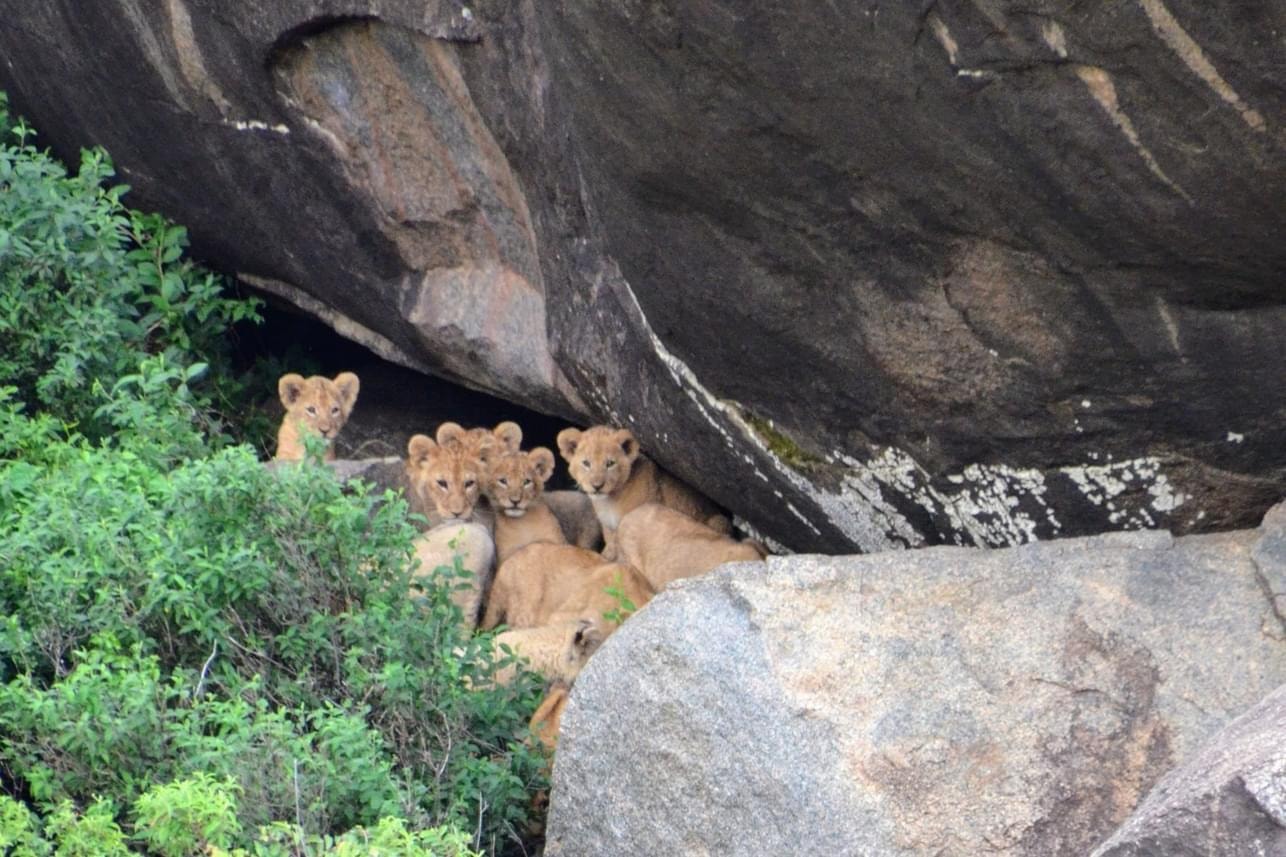
Tonight's camp is built around a kopje, a huge granite outcrop rising above the plains. The tents blend into the rocks, the thatched bar and restaurant look out over the savannah, and sundowners are served in a small lounge high in the rocks. Each canvas tent has a private deck and an ensuite bath with a flush toilet and hot shower. The camp is remote, so there's no laundry service, and a spare battery pack will keep phones and cameras charged.
Optional Maasai village visit, with a craft purchase or small community donation
Overnight Olduvai Camp or similar
Meals Breakfast, lunch, dinner